
The Final Frontier
I am starting this post on board a Cathay Pacific Boeing 747-400 en route between Hong Kong and Los Angeles. My wife and I are on our way to Oshkosh in Wisconsin to attend the annual Experimental Aircraft Association ‘AirVenture’ convention. Why Hong Kong you may ask? Well all direct flights across the Pacific were full so we were stuck with going the long way around, and long way it is: 9½ hours on the first leg and just on 13 hours the rest of the way to L.A.
A moment ago the cabin announcement from the cockpit advised that the outside air temperature was -56C and that we have a ground speed of 1000 kph but here we are at 40,000 feet, warm and comfortable enjoying pressurised and air-conditioned comfort. It is hard not to reflect on the wonder of it all and how we have managed to get to where we are today. The outside air is so thin at this altitude a human could not survive for more than a few seconds but here we are sipping wine and coffee, oblivious to it all. Although I have been in the aviation industry for over forty years now, I am still somewhat in awe of how far we have come in the last one hundred years or so.
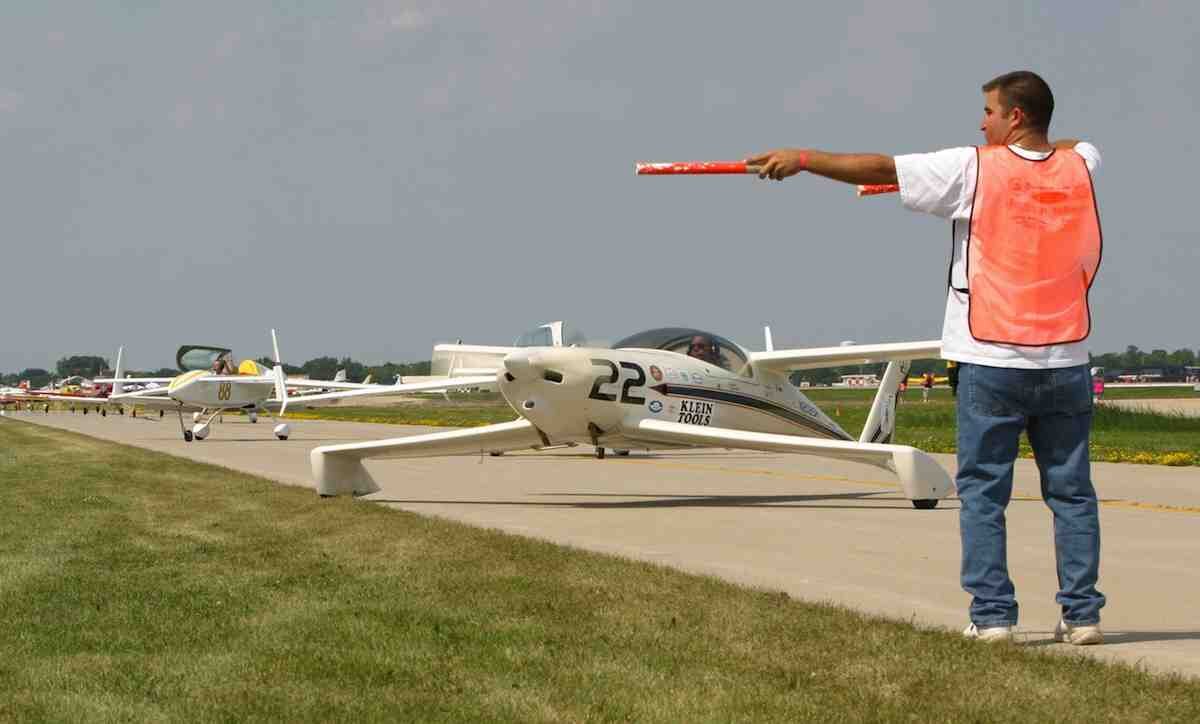
I am now continuing this at Oshkosh, the home of the EAA. For those who are unaware, the annual EAA AirVenture convention is the world’s largest aviation event and airshow. It is impossible to describe all that one sees at Oshkosh; it would fill a book. We have now been here for a full week and have probably only seen half of it – maybe next year?
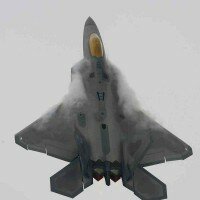
What is particularly significant is that the event is run by a voluntary organisation, the EAA, and is primarily for general aviation, amateur built aircraft and restored warbirds. Unlike our Avalon International Airshow which now seems to cater only for the upper end of the market, (after all how many of us actually want to buy a bundle of missiles at maybe one million dollars each, or a fleet of supersonic fighters?), Oshkosh caters for everyone. Obviously there is a military presence at Oshkosh with some noisy military jets, after all an airshow would not be an airshow without them, but they do not dominate; they play a minor role. The EAA grew up around the amateur built movement so, naturally, amateur built experimental aircraft constitute the core of the event, as they should. Nevertheless most major general aviation manufacturers and parts vendors are represented there, including our own Gippsland Aeronautics with their GA-8 AirVan. It is the one event in the world where you can actually see just about everything aviation that you ever thought about buying.
To sum it up, just as Muslims need to visit Mecca at least once in their lives, aviation buffs need to visit Oshkosh at least once, it is truly the Mecca of aviation!
So let’s cut to the chase, why is it so? Why has this event become so big and influential while in Australia the only big event is the government supported Avalon International Airshow? In my view there are several significant reasons. It could be argued that the population of the USA is fifteen times the size of Australia but I don’t believe that that is the reason. I believe culture, particularly bureaucratic culture, is what makes the real difference. In the USA the EAA fought for, and have remained focused upon, protecting the rights of individuals to design, build and fly their own aircraft. The ‘experimental’ category has been in place in the USA for many years and has been the mechanism that has allowed amateur builders to develop their own designs whether conventional or ‘way out’. Consequently we see aircraft ranging from incredibly successful traditional aircraft like the Vans RV series, to extreme aircraft that have emerged from the imagination of probably the most innovative individual aeronautical design engineer of all time, Bert Rutan: his latest, and probably the most extreme experimental aircraft ever, being Spaceship 1. In between these extreme examples, of course, are the thousands of lesser aircraft designed, built and flown by ordinary people. These individuals probably gain great personal satisfaction and pleasure designing and building their own dreams and being free to do so without restriction.
In contrast, up until recently, we in Australia were hamstrung by severe restrictions on amateur designing and building. Until the recent introduction of ‘experimental’ in Australia, all aircraft had to comply with specified design standards, undergo a formal stress analysis and flight test program, all to be approved by CASA. If the aircraft was approved by CASA it could then be added to the list of aircraft approved for amateur building in Australia. This process was very time consuming, laborious and frustrating and not many new designs got through. Probably the most successful one that did was John Corby’s Corby Starlet. The other mechanism for approval of a design was to gather enough information to satisfy CASA that a particular overseas design was safe to build in Australia. The criteria was that documented evidence be provided of five examples of the type that had completed at least 100 hours of safe operation each and that the plans were satisfactory and adequately detailed.
In summary, until recent times, we in Australia have been hamstrung by over-regulation compared to the USA so it is no wonder that all of the innovative designs seem to originate from there. We have a proud aviation heritage in Australia that needs to continue. We must all stand up to bureaucratic pressure, join forces, and fight for our freedoms. The Americans have done so and look where they are today.
Oshkosh AirVenture is the ultimate demonstration of their success!
Leave a Comment
Latest Issue Out Now
Newsletter Subscribe
Recent News


Words of Wisdom
 Loading
-
-

“TWA 2341, for noise abatement turn right 45 Degrees.” “Centre, we are at 35,000 feet. How much noise can we make up here?” “Sir, have you ever heard the noise a 747 makes when it hits a 727?”
-


