
The Bigger Picture
Suffering an incapacitating inflight medical emergency with a non-pilot spouse in the right-hand seat is a recipe for disaster. How can we prepare for such an outcome?
Read More
TOTAL POWER LOSS
At an altitude of approximately 200 ft above ground level, the instructor heard the engine noise reducing and observed the engine RPM decreasing. The instructor immediately assumed control and lowered the nose of the aircraft to maintain airspeed. With engine power further reducing, the instructor determined that ability to land on the remaining runway was restricted and identified a clear grassed area at his 10 to 11 o’clock position.
Read More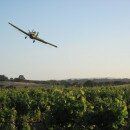
WIRESTRIKE!
After striking the powerlines, the pilot looked to the right and saw electrical arcing from the top of the power pole. He climbed the aircraft up to treetop level, believing it had sustained only minor damage and looked for a suitable area to ‘dump’ the chemical spray. However, the engine lost power, forcing the pilot to immediately jettison the spray load. The aircraft then entered into an uncommanded gradual left turn, which the pilot could not correct.
Read More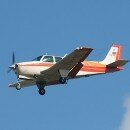
TOO CLOSE FOR COMFORT
It is important that pilots apply the principles of ‘see-and-avoid’ in conjunction with an active listening watch. Research has shown the effectiveness of a search for other traffic is eight times greater under alerted circumstances than when un-alerted.
Read More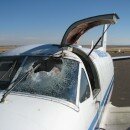
BIRDSTRIKE!
Shortly after commencing descent from 1,000 ft into Ayr Aircraft Landing Area (ALA), the pilot noticed a bird to the left of the aircraft, followed almost immediately by an impact with the windscreen. The bird penetrated the windscreen, causing it to shatter.
Read MoreLatest Issue Out Now


Newsletter Subscribe
Recent News


Words of Wisdom
 Loading
-
-

“The higher we soar, the smaller we appear to those who cannot fly.”
-


